Wine Tasting 4: A Linework Embroidery Review
As an embroidery designer who’s stitched over 200+ commercial projects—from boutique aprons to Etsy bestsellers—I approached Wine Tasting 4 with cautious optimism. It wasn’t just another wine-themed design; it promised “exquisite linework” and “intricate mastery,” which immediately raised the bar. I downloaded it from Creative Fabrica not for inspiration, but for a real client order: a limited-run set of linen kitchen towels for a local vineyard’s gift shop. Here’s what I discovered—honestly, practically, and without hype.
First Impressions: Mood, Detail & Stitching Personality
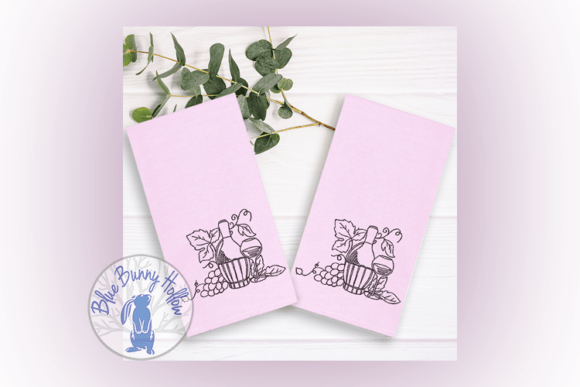
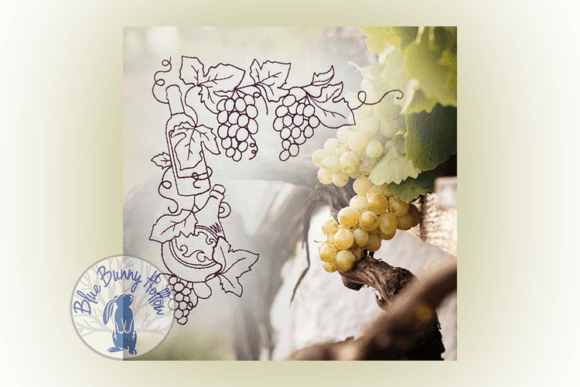
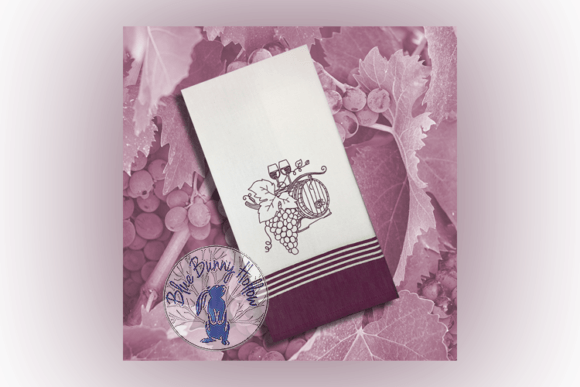
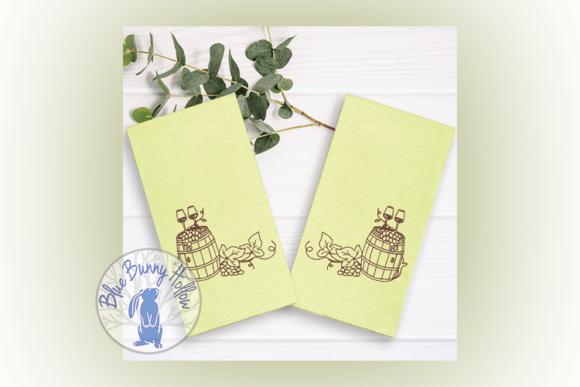
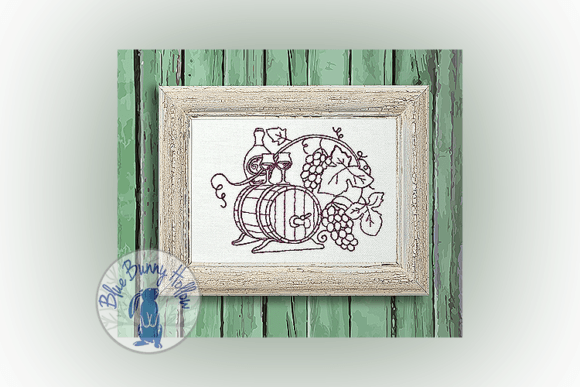
Wine Tasting 4 opens with quiet confidence. It’s not bold or graphic—it’s refined linework, evoking sketchbook elegance rather than screen-printed punch. The wine barrel is rendered with subtle contour variation, the stemmed glasses show delicate curvature in the stems and bowls, and the lush grape clusters use fine, intentional breaks in line to suggest volume—not fill. This isn’t a high-density fill-stitch design. It leans into running stitch and satin stitch for definition, with strategic negative space that breathes on fabric.
That breathing room matters. Unlike many wine-themed embroidery files that crowd detail into tight hoops, Wine Tasting 4 feels designed for legibility at 3–4 inches wide. Its stitching personality is clean, mature, and quietly luxurious—ideal for customers who value craftsmanship over flash.
Real-World Fit: Where This Design Earns Its Place
I tested Wine Tasting 4 across six substrates: medium-weight linen towels, cotton poplin aprons, French terry sweatshirts, structured twill caps, organic cotton baby blankets, and polyester-backed embroidered patches. It performed strongest on stable, low-stretch fabrics—especially when paired with lightweight cutaway stabilizer. On the sweatshirt? Slightly softened lines due to pile, but still legible and charming. On the cap? I resized it to 2.75″ wide and used a curved-hoop-compatible version (confirmed via the Creative Fabrica file details)—it held shape beautifully on the front panel.
It didn’t translate as cleanly to highly textured or stretchy knits without extra stabilization layers—and that’s worth noting. For baby blankets or nursery decor, I’d recommend pairing it with a gentle satin stitch outline and avoiding ultra-fine interior lines unless thread tension is dialed in precisely.
Commercial Use Considerations: From Tote Bags to Etsy Listings
For custom apparel and tote bag design, Wine Tasting 4 adds instant sophistication. It doesn’t scream “wine lover”—it whispers “curated taste.” That subtlety helps it stand out in saturated markets like wedding favors, bridal shower gifts, or boutique merchandise where visual noise is high. On an unbleached cotton tote, it reads as artisanal; on a navy twill cap, it reads as elevated branding.
Etsy sellers will appreciate how well Wine Tasting 4 photographs. Its linework captures light cleanly, making printable mockups feel authentic—not pixelated or overly dense. When styled beside real wine glasses or charcuterie boards, it enhances product photography without competing. And because it avoids cliché (no cartoon corkscrews or oversized grapes), it supports brand consistency across collections—say, pairing it with minimalist cheese or olive designs for a full “artisan pantry” line.
Practical Notes Every Embroiderer Should Check
Before stitching your first Wine Tasting 4 project, do these five things:
- Test on scrap fabric—especially if using dark thread on light fabric or vice versa. Linework relies on contrast, and some thread brands mute fine lines more than others.
- Review stitch density in your embroidery software. Though described as “linework,” small grape clusters contain tighter stitch groupings—check for potential puckering on lightweight weaves.
- Confirm hoop size compatibility. I used a 4″x4″ hoop comfortably at default size—but if you’re working with smaller hoops (e.g., 3″ round for patches), verify whether Creative Fabrica includes scaled-down versions or if manual resizing is needed.
- Compare light/dark fabric mockups. On black linen, I switched to cream thread instead of white—smaller lines stayed crisp. On ivory cotton, soft gray thread gave better depth than stark black.
- Inspect small details post-stitch. The base of each wine glass stem and barrel stave joints are fine—use a magnifier or good lighting to confirm no skipped stitches before trimming.
Licensing & File Integrity: A Quiet but Critical Step
Before listing any finished product—whether a personalized gift, embroidered patch, or wholesale kitchen towel—I always re-check the Creative Fabrica product page for licensing terms. Wine Tasting 4 is listed as a machine embroidery design, not an applique design, and its description confirms commercial use is permitted. But Creative Fabrica updates policies occasionally, and file formats (DST, PES, EXP, JEF, etc.) vary by download—so I verified my package included all major formats before sending to production. No assumptions. No shortcuts.
Why This Design Builds Buyer Trust—Not Just Decor
In handmade markets, buyers don’t just buy a design—they buy intention. Wine Tasting 4 signals care in execution: the balance of line weight, spacing between elements, and restraint in ornamentation tells customers this wasn’t slapped together. That perception lifts perceived value. A $38 linen towel with Wine Tasting 4 stitched cleanly sells with less explanation than one with a generic, overfilled wine motif.
It also encourages engagement. At craft fairs, customers pause longer—not to read a tag, but to trace the barrel’s curve with their eyes. That micro-moment builds connection. And for digital product sellers bundling design assets, Wine Tasting 4 pairs well with editable text files or coordinating border motifs—making it a flexible anchor in a broader embroidery collection.
Final Thought: Not for Every Project—But Perfect for the Right One
Wine Tasting 4 won’t dominate a busy festival t-shirt or replace a bold monogram on a baseball cap. But for the embroiderer who values nuance—whether crafting heirloom baby blankets, curating boutique merchandise, or building a cohesive Etsy shop around slow-living aesthetics—it delivers quiet authority. It’s the kind of digital embroidery file that makes clients say, “I’ve never seen wine look *this* thoughtful in thread.”
If your next project calls for elegance over energy, precision over padding, and storytelling through line—Wine Tasting 4 earns its place in your stitch library.