Plant Seeds of Kindness 1
A Thoughtful First Stitch: What This Design Feels Like in Hand
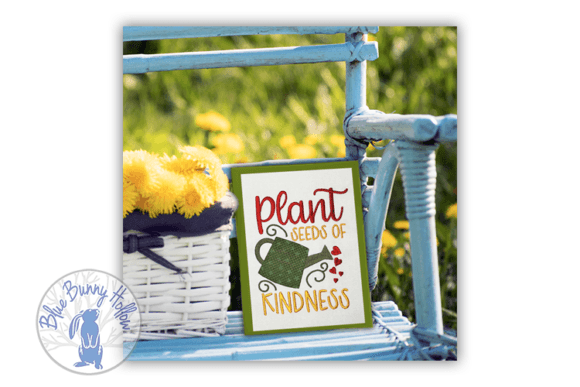
As an embroidery designer who’s tested hundreds of digital embroidery files for gift shops and Etsy sellers, Plant Seeds of Kindness 1 landed on my hoop with quiet confidence—not flash, not fuss, but a grounded warmth that feels instantly giftable. It’s gentle without being saccharine, nature-inspired without leaning into botanical overload, and serene without feeling distant. The mood is soft-focus spring: dewy, hopeful, tender. Think handwritten charm meets garden journal sketch—slightly imperfect curves, open letterforms, and subtle organic spacing that reads as handmade, not machine-made. It’s neither ultra-modern nor vintage-revival; it lives comfortably in the “timeless thoughtful” zone—ideal for customers seeking meaning over trend.
Where It Blooms Best: Real-World Personalized Gift Applications
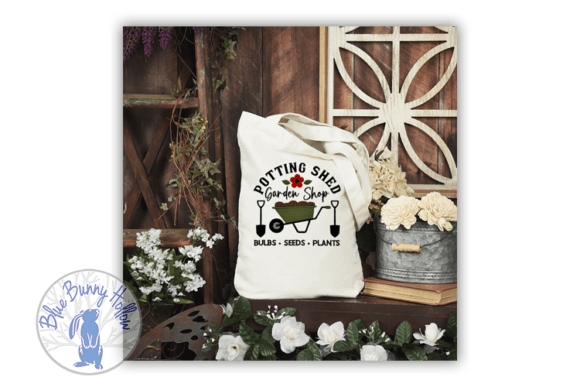
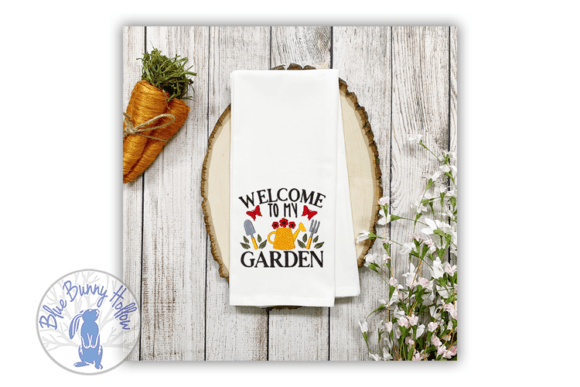
This design shines brightest where emotion meets utility. For baby embroidery, it transforms a simple muslin swaddle or organic cotton blanket into a keepsake whispering intention—not just “welcome,” but “grow gently.” On a linen pillow cover for new parents? It softens the nursery aesthetic while anchoring it in calm. As a wedding gift, stitched onto a hand-stitched linen napkin set or heirloom apron, it speaks to partnership as cultivation—not perfection, but daily care. I’ve previewed it on embroidered towels (especially lightweight cotton waffle or flour-sack), where its airy layout avoids stiffness, and on canvas tote bags for farmers’ markets or baby showers—where its message lands with sincerity, not sentimentality.
For small shop products, Plant Seeds of Kindness 1 elevates perceived value instantly. A plain kitchen towel becomes a curated moment. A neutral-toned blanket embroidery project gains narrative depth. And because it belongs to the Outdoor Quotes category, it pairs intuitively with earthy palettes, natural fibers, and slow-living branding—making it a natural fit for craft fairs, boutique consignment, and Instagram-driven Etsy seller listings.
Where to Pause & Plan: Fabric, Fit, and Function
Not every surface welcomes this design equally—and that’s okay. Its delicate line work and open letter spacing demand attention to context:
- Small lettering (like fine script accents) may blur on dense terry cloth or thick woven towels—test stitch density and thread weight first.
- Textured fabric (burlap, heavy linen, or nubby wool blends) can swallow subtlety. Opt for smoother substrates like quilting cotton, Pima cotton, or medium-weight linen for clarity.
- Stretchy baby clothes (onesies, knit blankets) require careful stabilization—use cutaway + tear-away combo and avoid high-stress seams unless you’re confident in your hooping technique.
- Curved surfaces (mugs with fabric sleeves, rounded pillow forms) need repositioning guidance—always test placement on a mockup before committing.
- Dark fabric demands contrast checks: light ecru or soft sage thread may disappear. Try oatmeal, charcoal grey, or muted olive for legibility without harshness.
- Frequent washing means prioritizing quality stabilizer and secure thread tension—this isn’t a “stitch-and-forget” file for high-abrasion items like dish towels used daily.
Why It Builds Trust—and How to Maximize That Magic
Customers don’t buy stitches—they buy meaning, care, and craftsmanship. Plant Seeds of Kindness 1 inherently signals intentionality. When buyers see it on your handmade product, they sense thoughtfulness—not just decoration. That translates directly to customer trust: fewer returns, more repeat orders, stronger word-of-mouth. In product photography, its clean lines and emotional resonance make for scroll-stopping visuals—even on a plain background. Pair it with natural lighting and minimal styling, and it tells a story before a single word is read.
For digital embroidery file sellers, this design invites deeper engagement: offer optional thread color palettes (e.g., “Nursery Soft,” “Garden Earth,” “Wedding Linen”) or printable mockups showing it on blanket, towel, and tote variations. That builds credibility and reduces pre-sale questions—key for time-strapped small business owners.
Practical Embroidery Notes Before You Hoop
Before stitching for a client—or listing it as a commercial embroidery option—do these five things:
- Test on scrap fabric matching your intended product (e.g., actual flour-sack towel, not quilting cotton).
- Check thread color contrast under both daylight and warm indoor light—colors shift dramatically.
- Confirm hoop size compatibility—some versions of Plant Seeds of Kindness 1 may be optimized for 4x4 or 5x7 hoops; verify before digitizing adjustments.
- Review stitch density—if it feels overly dense for lightweight fabrics, reduce fill density by 5–10% in your editing software.
- Use proper stabilizer: medium-weight cutaway for knits, tear-away for stable wovens, and water-soluble for delicate tops like silk-blend napkins.
And always—always—confirm commercial licensing terms before selling finished products. If the file includes multiple sizes or colorways, cross-check those permissions too. When in doubt, reach out to the original designer or marketplace for clarity. Your reputation as a detail-oriented custom embroidery partner depends on it.
Final Thought: More Than a Design—A Quiet Invitation
Plant Seeds of Kindness 1 doesn’t shout. It settles in. It fits naturally on a baby’s first blanket, a couple’s shared apron, or a friend’s favorite tote—because its strength lies in resonance, not volume. For makers building meaningful personalized gift businesses, it’s not just another machine embroidery design. It’s an invitation—to slow down, to choose kindness, and to stitch something that lasts longer than the thread.