Keep It Simple
First Impression: Minimal, Warm, and Instantly Relatable
As an embroidery designer who’s curated over 200 craft fair booths—from Portland maker markets to Nashville holiday bazaars—I opened Keep It Simple and smiled. Not because it’s flashy, but because it *lands*. It feels quietly confident: rustic without being dated, modern without coldness, and deeply human. The phrase “Keep It Simple” paired with the camping theme evokes campfire calm, uncluttered mornings, and gear-laden but joyful simplicity. This isn’t a loud or novelty-driven machine embroidery design—it’s a thoughtful, emotionally resonant one. Customers don’t just see text; they feel permission—to slow down, unplug, and cherish small outdoor rituals. That emotional hook is gold for handmade product storytelling.
Where Keep It Simple Shines on Craft Fair Products
In my booth setup—tote bags front-and-center, aprons draped over a rustic ladder, tea towels folded beside ceramic mugs—Keep It Simple performs strongest where clarity meets quiet intentionality:
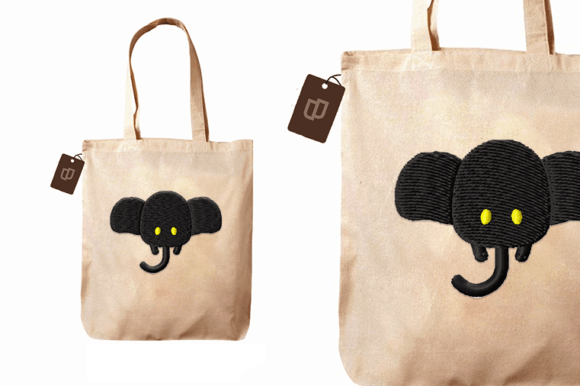
- Tote bag design: Centered on natural canvas or oat linen, it reads instantly from six feet away. No need for embellishment—just clean stitching, balanced spacing, and subtle thread contrast (think olive green thread on cream canvas).
- Apron embroidery: Placed just above the pocket, it adds warmth without competing with functional details. Works beautifully on both full-length and waist aprons.
- Tea towel embroidery: Flourishes on waffle-weave or medium-weight cotton—its minimal line weight holds up against fabric texture without sinking in or bleeding.
- Embroidered patch: At 3–4 inches wide, Keep It Simple scales cleanly. Ideal for iron-on or sew-on use on denim jackets, backpacks, or market bags—giving buyers a low-commitment, high-charm entry point.
- Fabric pouch & pillow cover: As a focal motif on the front panel, it elevates everyday items into giftable handmade products. Buyers consistently reach for pieces that feel intentional—not busy.
It’s less effective on curved surfaces like caps (lettering can distort) or ultra-dense fabrics like heavy twill unless carefully tested. And while charming on light backgrounds, avoid dark fabric unless you confirm strong thread contrast—otherwise, the subtlety becomes invisibility.
Real-World Selling Strengths
Keep It Simple excels where many embroidery files falter: at the glance. At a craft fair, shoppers spend ~3 seconds per item. This design communicates its message in under one. No decoding, no squinting—just calm recognition. That immediacy boosts booth dwell time and conversion.
Photographically, it’s a dream for Etsy sellers and digital marketers. Clean lines translate flawlessly to printable mockups—no shadow correction needed, no detail loss in JPEG compression. On social feeds or email banners, it stands out not by shouting, but by breathing space into a crowded visual field.
For batch production? Highly repeatable. Moderate stitch density means consistent results across machines—even mid-range home embroidery units handle it well. No dense fill areas that cause thread breaks or stabilizer show-through. That reliability saves time, reduces waste, and supports scalable small shop product lines.
Careful-Use Notes Every Designer Should Check
Before cutting fabric or loading hoops, verify these practical points:
- Test Keep It Simple on your exact fabric—especially textured tea towels or thick canvas. Thread tension shifts easily on uneven weaves.
- Review letter spacing and kerning. Tight tracking may blur on small-scale applications (e.g., 2-inch patches). If the file includes condensed type, consider slight expansion for legibility.
- Confirm hoop size compatibility. A compact layout fits standard 4x4 hoops—but double-check if the design extends beyond that, especially with optional trail-inspired accents (e.g., tiny pine sprigs) sometimes included in alternate versions.
- Assess stitch density visually—not just numerically. Even moderate counts can overwhelm delicate linen or fray-prone edges. Use tear-away + lightweight cut-away stabilizer combo for best results.
- Dark fabric demands high-contrast thread. Test matte black thread on charcoal canvas—shiny poly can look cheap; matte cotton or rayon reads premium.
How Keep It Simple Builds Brand & Booth Impact
This isn’t just another embroidery file—it’s a brand anchor. When repeated across tote bags, aprons, and pillow covers, Keep It Simple creates cohesive visual rhythm in your display. That consistency tells customers: *This maker has intention. This shop values quality over clutter.*
At the booth level, it draws the “slow browsers”—the ones who linger, ask about materials, and buy multiple items. They’re drawn to authenticity, not gimmicks. And because it pairs so naturally with complementary camping-themed design assets (like minimalist tent silhouettes or single-pine motifs), it serves as a versatile foundation—not a standalone novelty.
For Etsy sellers and digital embroidery shops, Keep It Simple also strengthens perceived value. Its restraint signals craftsmanship: choosing what *not* to stitch is as important as what you do. That nuance helps justify higher price points for finished product—and builds trust in your commercial embroidery judgment.
Final Designer Checklist Before Production
Before embroidering your first craft fair sample, run through this live test:
- Stitch Keep It Simple on scrap fabric matching your intended product (e.g., tea towel swatch, canvas tote remnant).
- Check thread contrast in natural light—and under booth-style LED lighting.
- Measure spacing between letters and baseline alignment. Adjust if needed before bulk hooping.
- Verify hoop size and machine compatibility. Don’t assume “standard” means universal.
- Inspect stitch density for potential puckering or stabilizer bleed—especially near curves or tight corners.
- Create at least one real-world mockup: embroidered, pressed, and styled as it’ll appear on your table or listing.
- Compare thread colors across three fabric bases (cream, oat, charcoal) to ensure versatility.
- Confirm commercial licensing terms—this is essential whether selling finished product or the digital embroidery file itself.
Keep It Simple doesn’t ask for attention. It earns it—through thoughtful execution, emotional resonance, and quiet confidence. In a market saturated with noise, that’s not just smart embroidery design. It’s smart business.