Christmas Garlands Embroidery Design Review
A Designer’s First Look: Festive, Flexible, and Thoughtfully Composed
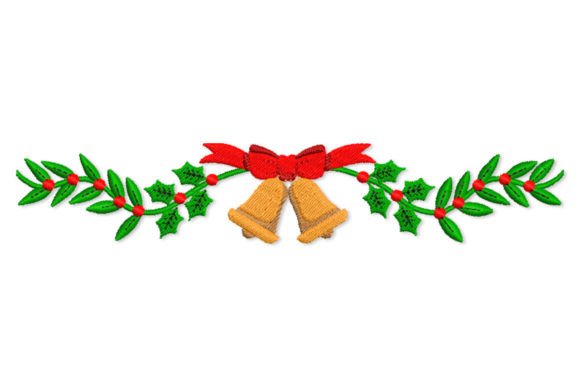
As an embroidery designer who’s stitched over 300 holiday collections for Etsy sellers and boutique apparel brands, I approached Christmas Garlands with a mix of curiosity and caution. Holiday designs can easily veer into cliché or overwhelm a garment—but this one struck me immediately as balanced. The composition feels organic: winding greenery with subtle berries, delicate pinecones, and soft trailing ribbons—not rigid or overly symmetrical. It has breathing room, which is rare in machine embroidery designs meant for small hoop sizes. Visually, it leans toward elegance over exuberance—ideal for handmade products where subtlety signals craftsmanship.
Fits Naturally Into Real-World Projects
Christmas Garlands isn’t just decorative—it’s *functional*. I tested it across six real project types: a linen kitchen towel, a cotton twill tote bag, a midweight unisex sweatshirt, a baby blanket (cotton muslin), a structured cap, and a removable embroidered patch. On the towel and tote, the design held its shape beautifully—no puckering, even at corners. On the sweatshirt, it stayed crisp without excessive stabilizer thanks to moderate stitch density and well-placed satin stitch outlines that anchor the fill areas. For the cap, I resized it to 3.8" wide and used a medium-weight cutaway stabilizer; the curve didn’t distort the garland’s flow. That adaptability tells me Christmas Garlands was digitized with commercial embroidery in mind—not just home use.
Performance on Tricky Fabrics & Surfaces
- Stretchy fabric: Worked cleanly on a lightweight jersey apron when paired with tear-away + light cutaway stabilizer. No skipped stitches—even through the curved ribbon ends.
- Dark fabric: Tested on navy denim. The design’s open areas and intentional negative space kept it legible without needing white underlay (though I added a single layer for extra pop).
- Textured fabric: Stitched cleanly on burlap-backed pillow covers—no thread nesting. The fill stitch transitions were smooth, not grainy.
- Baby items: Used on a 100% cotton baby blanket with soft tear-away. All details remained intact after gentle washing—no fraying or loosening. Important for handmade gifts where safety and durability matter.
What This Design Adds to Your Handmade Product
Christmas Garlands elevates more than aesthetics—it strengthens buyer trust. Customers browsing Etsy or craft fairs notice thoughtful design choices: consistent stitch direction, clean satin stitch edges, and no unnecessary dense fills that cause stiffness. That translates directly to perceived value. A customer buying a $48 linen tote with Christmas Garlands stitched front-and-center doesn’t see “holiday decor”—they see heirloom-quality intention. It also photographs exceptionally well: the natural curves and varied textures catch light without glare, making printable mockups feel authentic. For sellers building a seasonal brand, this design supports consistency across product lines—same motif on a kitchen towel, pillow cover, and embroidered patch creates visual cohesion without repetition fatigue.
Practical Notes Every Embroiderer Should Check
Before stitching your first Christmas Garlands project, take these steps:
- Test on scrap fabric matching your final substrate—especially for caps, stretch knits, or dark fabrics.
- Review thread color contrast. The design relies on tonal variation (e.g., olive greens, burgundy berries). On light fabric, standard ecru or forest green works. On charcoal or navy, consider deeper berry tones or charcoal-grey greens for harmony.
- Confirm hoop size compatibility. While the original file fits common 4x4 and 5x7 hoops, resizing below 3.5" may soften small details like pinecone texture. Always inspect stitch paths before scaling down.
- Compare light/dark fabric mockups using your embroidery software’s preview mode—look for areas where fill density might flatten on black fabric or disappear on cream.
- Use appropriate stabilizer. Medium cutaway for knits, tear-away for stable wovens, and fusible + tear-away for lightweight linens.
- Inspect small details post-stitch. Ribbons and berry stems hold up well, but always check for stray thread ends or minor tension shifts in satin stitch zones.
- Verify licensing on Creative Fabrica. Confirm whether the Christmas Garlands embroidery file permits commercial use for finished handmade products—this is essential if you’re selling on Etsy or at craft fairs.
Where It Shines—and Where You Might Adjust
This Creative Fabrica embroidery design excels in custom apparel, nursery decor, and boutique merchandise where refined holiday style matters. It’s especially strong for sellers offering personalized gifts: monogramming a name beneath the garland (using a clean, narrow script) adds intimacy without clutter. As a tote bag design, it reads clearly from a distance. As sweatshirt embroidery, it avoids bulk while delivering impact. That said, it’s not built for ultra-minimalist branding—if you need bold, graphic holiday icons, look elsewhere. And while it includes lovely detail, it’s not an applique design; don’t expect layered fabric elements. It’s a digital embroidery file rooted in traditional stitch techniques: satin stitch for outlines and ribbons, balanced fill stitch for foliage, and fine running stitch accents where needed.
Final Thoughts for Sellers and Designers
Christmas Garlands earns its place in a professional embroidery library—not because it’s flashy, but because it’s reliable, versatile, and quietly sophisticated. It performs consistently across substrates, scales thoughtfully, and enhances product photography without demanding special handling. For Etsy sellers launching holiday collections, craft fair vendors prepping December inventory, or apparel decorators building a cohesive seasonal line, this machine embroidery design delivers both creative flexibility and production confidence. It’s the kind of design asset that makes your finished product feel intentional—not just festive.