Boy Mom
A Craft Fair Designer’s Real-World Review
As an embroidery designer who’s stocked over 70 craft fairs—and shipped thousands of digital embroidery files to Etsy sellers, boutique makers, and small shop owners—I approach every new design like a booth decision: Will it stop a mom mid-aisle? Will it translate clearly on a textured tea towel or curved cap? Will it hold up in batch production without thread breaks or skipped stitches? That’s how I tested Boy Mom. Not as a concept—but as a craft fair product, a handmade product, and a commercial embroidery asset.
First Impression: Warm, Confident, Uncomplicated
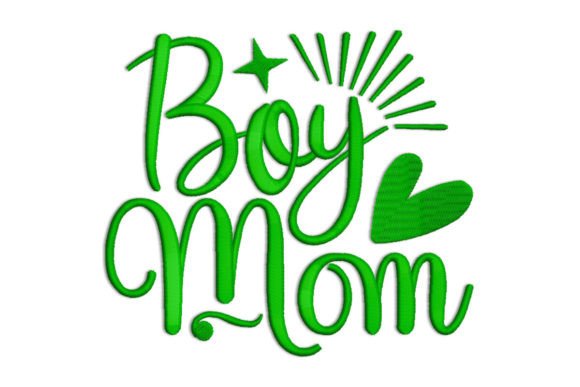
Boy Mom lands as warm and confident—not cutesy, not sarcastic, not minimalist to the point of coldness. It reads as modern-farmhouse with quiet pride: straightforward lettering, clean rhythm, and emotional resonance. There’s no cartoon truck, no baseball motif, no “boys will be boys” disclaimer—just clarity and heart. That makes it instantly legible at 3 feet, which matters when shoppers are scanning your table in under 8 seconds. It feels repeatable: not trendy enough to date, not generic enough to disappear.
Where It Shines On Craft Fair Products
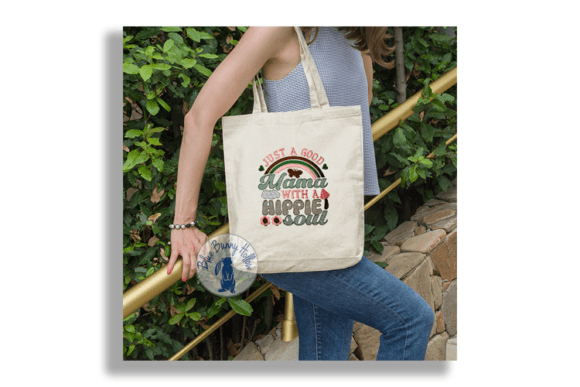
- Tote bag design: Centered on a natural canvas tote, Boy Mom reads boldly—even from across the aisle. The phrase has just enough weight to anchor the front panel without overwhelming.
- Apron embroidery: Perfectly balanced above the pocket or centered on the bib. It adds personality without competing with flour-dusted functionality.
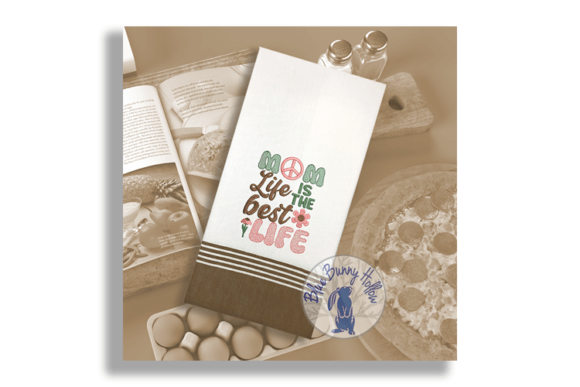
- Tea towel embroidery: Works beautifully on linen-cotton blends. The letters hold shape well on slightly textured fabric—no bleeding or distortion if stitch density is moderate.
- Embroidered patch: Ideal for iron-on or sew-on versions. Clean outlines mean crisp edges even at 3–4 inches wide—great for swapping onto backpacks, denim jackets, or market bags.
- Caps & pouches: Scales down cleanly to 2.5" wide. Avoid placing it on the curved crown unless you’ve tested hooping and stabilizer on that exact cap style—small lettering can compress unpredictably.
- Pillow covers & handmade gifts: Adds warmth and intention. Paired with neutral linen or oatmeal twill, Boy Mom feels premium—not mass-produced, but thoughtfully made.
What Makes It Sell (and What Requires Care)
Boy Mom succeeds because it’s emotionally specific yet broadly relatable. Moms of one boy, three boys, adopted boys, stepsons—they all pause. That emotional hook drives booth engagement and online clicks. But emotional resonance only lands if the machine embroidery design delivers technically. Here’s what to watch:
- Dense stitch areas: If the font includes thick serifs or shadow layers, check stitch density—overly dense fills can pucker lightweight cotton or bleed on terry cloth towels.
- Small lettering: Lowercase “o” and “m” may close up on dark fabric or heavy stabilizer. Always test contrast: navy thread on charcoal linen? Yes. Black thread on black denim? No—add a satin stitch outline or switch to cream.
- Fabric texture matters: On waffle-weave tea towels or slubby linen, use medium-weight cutaway stabilizer—not tear-away—to prevent shifting and ensure crisp letter edges.
- Curved surfaces: Caps and pouches demand precise hooping and often require basting spray + topping for smooth coverage. Don’t assume the embroidery file auto-adjusts—it doesn’t.
Photography, Listings, and Online Performance
This design photographs exceptionally well—especially on natural light-lit mockups. As an Etsy seller, I recommend at least three real-life shots: one flat-lay (tote + tea towel + patch), one in-context (mom holding embroidered tote at park), and one detail close-up showing thread quality and stitch clarity. For printable mockups, choose clean, uncluttered templates—Boy Mom gains strength from breathing room, not busy backgrounds. Its simplicity also means it converts well in thumbnails: no tiny details get lost at 200px width.
Production Practicality for Small Shops
Yes, Boy Mom is batch-friendly. With consistent stabilizer, thread tension, and hoop size, you can run 20+ identical tote bags in a day—no redesign needed per item. It scales reliably from 2.25" (patches) to 6.5" (pillow covers). That versatility cuts down on design management time, freeing you to focus on finishing, packaging, and storytelling. Just remember: always confirm the digital embroidery file includes multiple sizes—or budget time to resize carefully (never stretch; always regenerate).
Design Integrity & Booth Impact
In a sea of floral monograms and “Bless This Mess” quotes, Boy Mom stands out by speaking plainly. It signals confidence, not clutter. When grouped with complementary designs—like “Girl Dad,” “Proud Grandma,” or neutral botanical borders—it builds a cohesive small shop product line without diluting brand voice. On your craft fair table, it draws the “yes, that’s me” nod—the kind that leads straight to checkout.
Embroidery Designer Notes You Can’t Skip
- Test the embroidery file on scrap fabric matching your final product—same weight, same weave, same dye lot.
- Check thread contrast on both light and dark versions before cutting into inventory.
- Review letter spacing—tight kerning looks sharp on screen but can merge on fabric. Adjust if needed.
- Confirm hoop size compatibility with your machine and intended product (e.g., cap frames vs. standard hoops).
- Inspect stitch density visually—look for overlapping fills or under-stitched gaps.
- Use the right stabilizer: cutaway for knits, tear-away for stable wovens, topping for napped fabrics.
- Create at least one real mockup—not just a digital preview—before listing or printing labels.
- Compare how it looks on three fabric colors: cream, navy, and heather gray. Hue changes affect perceived boldness.
- Verify commercial licensing terms before selling finished products—this is non-negotiable for commercial embroidery.
Final Thought
Boy Mom isn’t just another phrase—it’s a quiet affirmation stitched with intention. It works because it respects the wearer’s identity without overstating it. In your hands—as a craft fair seller, an Etsy seller, or a boutique maker—it’s not filler. It’s focus. And in a crowded handmade market, focus sells.